

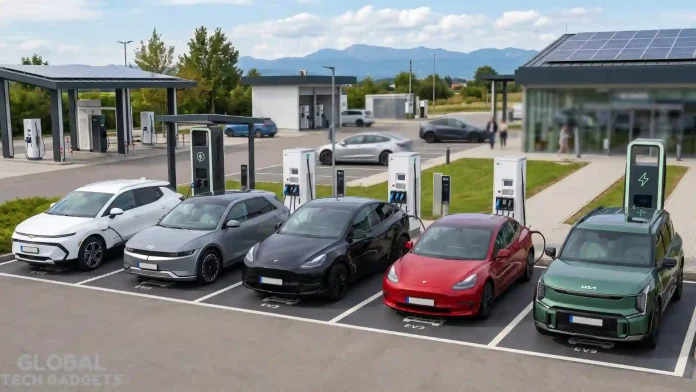
You’re thinking about switching to an electric car in 2026, and you want the one that actually fits your life—not the flashiest one on the lot. Great choice. Gas prices fluctuate, maintenance costs add up, and the latest EVs deliver more range, faster charging, and lower long-term ownership costs than ever before.
This guide walks you through a proven, step-by-step process to pick the perfect electric vehicle. You’ll get real specs on the standout 2026 models, a clear charging roadmap, and simple cost calculators that let you plug in your own numbers and see the savings. Let’s get you behind the wheel of the right EV.
Step 1: Define What You Actually Need
Start with your daily reality before you look at any sticker price.
- Daily commute and range — Most drivers cover under 40 miles a day. A 300-mile range covers 95% of trips with room for weekend getaways.
- Family or cargo needs — Need three rows or a big trunk? Look at SUVs. Solo commuter? A sedan saves money.
- Budget — Factor in purchase price, possible local rebates, electricity costs, and lower maintenance.
- Charging access — Home charging changes everything. Apartment dweller? Prioritize fast public options.
Answer these four questions first and you’ll instantly eliminate half the options.
Step 2: The Top Electric Cars Worth Considering in 2026
Here are the standouts across categories, based on real-world testing, EPA estimates, and expert rankings. Prices are starting MSRP (including destination where noted) and ranges are EPA estimates.
Best Overall Value Sedan: 2026 Tesla Model 3 Long Range
Starting around $36,990–$54,990 | Up to 338 miles range
Tesla Model 3 delivers strong acceleration, a quiet ride, ventilated seats, and real-world efficiency that beats most rivals. Perfect if you want tech-forward features without breaking the bank.
Best Family SUV: 2026 Tesla Model Y Long Range
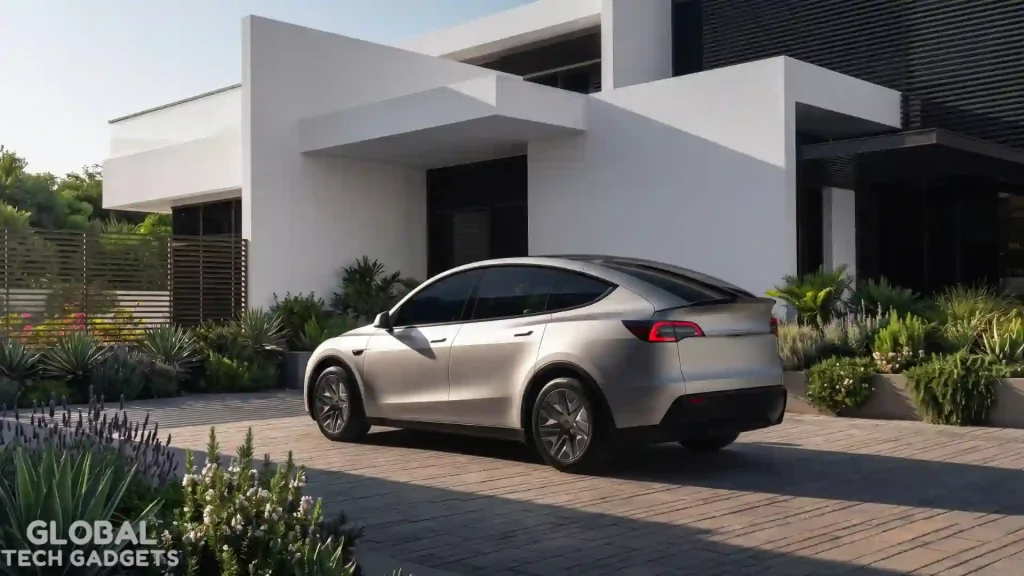
Starting around $39,990–$57,490 | Up to 327 miles range
Spacious, quick, and packed with advanced driver aids. It’s the practical choice for growing families who still want fun behind the wheel.
Best Affordable Crossover: 2026 Hyundai Ioniq 5
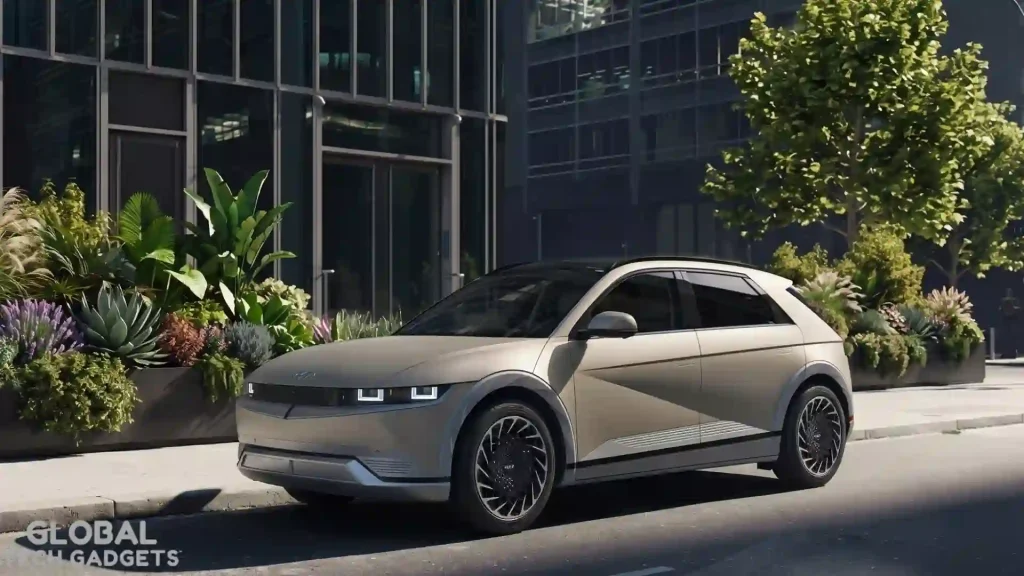
Starting around $35,000–$48,975 | Up to 318 miles (RWD models)
Ultra-fast charging (10–80% in about 18 minutes on DC fast chargers), stylish design, and helpful tech. Recent price adjustments make it one of the smartest buys under $40k.
Best Three-Row Family Hauler: 2026 Kia EV9
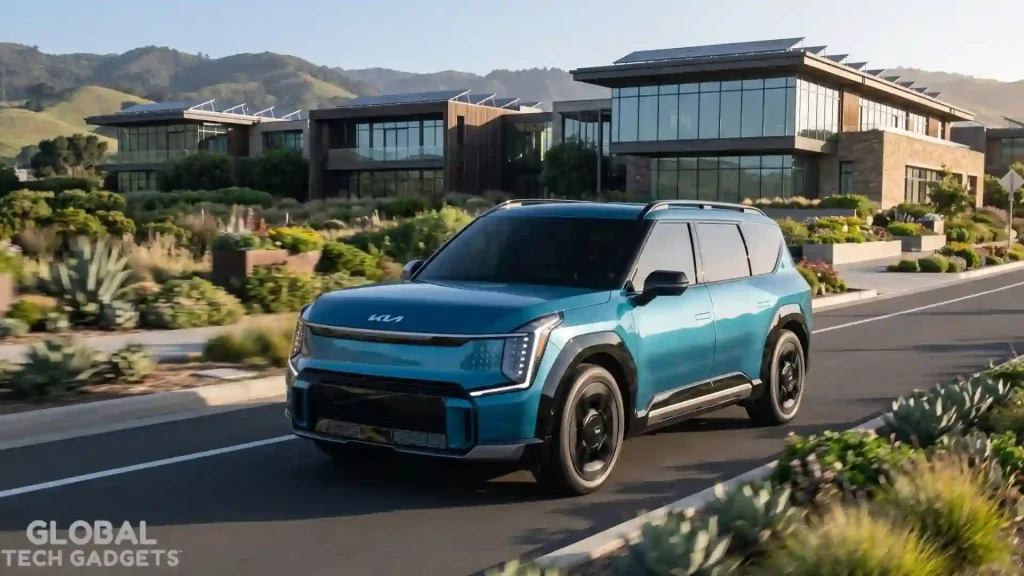
Starting around $54,900–$71,900 | Up to 306–366 miles depending on trim
Luxuriously quiet, roomy for six or seven, and impressively refined. It’s the electric minivan replacement that doesn’t feel like a compromise.
Best Budget Pick: 2026 Chevrolet Equinox EV or redesigned Nissan Leaf
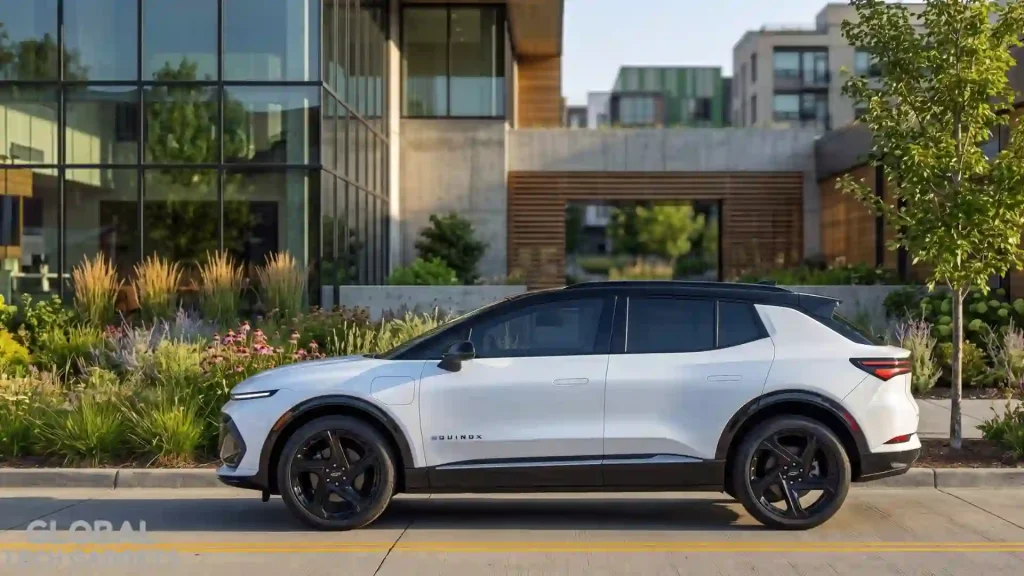
Equinox EV from ~$35,000 | Up to 319 miles
Leaf from ~$30,000–$31,485 | Up to 303 miles
Both deliver solid range at prices that compete with gas cars.
Standout Performance or Luxury Options
- Hyundai Ioniq 5 N or Ioniq 6 N for thrill-seekers
- Lucid Air or BMW i5 for premium comfort and longer ranges (300–400+ miles in top trims)
Step 3: Your Complete Charging Guide for 2026
Charging is simpler than most people think—and cheaper than gas once set up right.
Level 1 (120V household outlet): Adds 2–5 miles per hour. Fine for plug-in hybrids or very light daily driving, but slow for full EVs.
Level 2 (240V): The sweet spot for home use. Adds 20–60 miles per hour. Most owners install one and wake up to a full battery every morning. Full charge in 6–10 hours for typical models.
DC Fast Charging (Level 3): Public stations add 60–100+ miles in 20–30 minutes. Ideal for road trips. Most 2026 EVs now support the North American Charging Standard (NACS), so Tesla Superchargers and many others work seamlessly.
Home Level 2 Installation Reality Check
Typical all-in cost in 2026: $800–$3,000 (hardware $300–$800 + electrician labor and materials).
- Straightforward garage install: often under $1,500
- Panel upgrade needed: add $1,500–$4,000
You may still qualify for the federal Alternative Fuel Vehicle Refueling Property Tax Credit (up to 30% or $1,000 for personal use) if installed and operational by June 30, 2026—check IRS guidelines.
Pro Tip: Most charging happens at home overnight on cheap electricity rates. Public fast charging is for travel days only.
Step 4: Run the Numbers – Simple Cost Calculators
Electricity is dramatically cheaper than gas. Here’s how to calculate your own numbers in under 60 seconds.
Annual Electricity Cost Formula
(Miles driven per year ÷ miles per kWh) × your electricity rate (¢ per kWh)
2026 Real-World Examples (15,000 miles/year, national average residential rate ~18¢/kWh):
| Model | Approx. Efficiency | Annual Electricity Cost | 5-Year Fuel Savings vs. 25-mpg Gas Car ($3.50/gal) | Maintenance Savings (est.) |
| Tesla Model 3 Long Range | ~4 mi/kWh | ~$675 | ~$7,100 | ~$2,500 |
| Hyundai Ioniq 5 (RWD) | ~3.8 mi/kWh | ~$710 | ~$6,900 | ~$2,300 |
| Kia EV9 | ~3.5 mi/kWh | ~$770 | ~$6,600 | ~$2,400 |
Total Cost of Ownership (TCO) Quick Calculator
Add these up for a 5-year picture:
Purchase price – any local rebates
- Electricity costs × 5
- Insurance & registration
- Maintenance
– Resale value (EVs are holding value better in 2026)
Most owners see break-even versus gas cars in 3–5 years thanks to fuel and maintenance savings alone.
Step 5: Final Checklist Before You Buy
- Test drive at least two different models—range and ride feel are personal.
- Check your local utility or state rebates (federal vehicle purchase credits ended in late 2025, but charger and other incentives remain in many areas).
- Verify charging compatibility—most new EVs use NACS.
- Get a home energy audit if you’re installing Level 2 charging.
- Buy when the deal feels right—inventory is healthy and incentives are shifting toward local programs.
Electric driving in 2026 feels like the future that actually works: quieter, smoother, cheaper to run, and more fun. You’ve got better options than ever at every price point.
Which model are you leaning toward? Drop your driving habits or budget in the comments. And if you’re ready to install home charging, start getting quotes now while the remaining federal charger credit is still available. Drive electric. Save money. Enjoy the ride!
What is the average range of a new electric car in 2026?
Most new electric vehicles in 2026 confidently deliver between 250 and 400 miles on a single charge. High-end models, such as the latest Mercedes-Benz CLA Electric and Lucid Air, push this boundary closer to 500 miles. This expanded range, paired with denser battery technology, effectively eliminates daily range anxiety for the average driver.
How fast do public EV chargers work in 2026?
Modern High-Power Charging (HPC) stations now reliably deliver between 150kW and 350kW across major highway corridors. At these speeds, compatible EVs utilizing 800-volt architectures can charge from 10% to 80% in just 15 to 25 minutes. This makes road-tripping significantly more practical, closely mimicking the time spent at a traditional gas station.
Should I choose an AC slow charger or a DC fast charger?
AC Level 2 chargers are ideal for home or workplace use, safely replenishing your battery overnight or during the workday. DC fast chargers bypass the car’s onboard converter to deliver rapid energy, making them essential for highway travel and quick top-ups. Relying primarily on AC charging preserves your battery’s lifespan, while DC charging should be reserved for when you are short on time.
Do I need to charge my electric vehicle to 100% every day?
You should avoid charging your electric vehicle to 100% daily unless you are preparing for a long-distance road trip. Keeping your vehicle’s charge level between 20% and 80% is the industry-standard best practice to prevent long-term battery degradation. Most modern EV software allows you to set an automatic daily charging limit, making this battery management completely effortless.
How much does it cost to install a home EV charger?
Installing a dedicated Level 2 home charging station typically costs between $500 and $1,500, encompassing both the hardware and professional installation. Having a home charger is the most cost-effective way to fuel your vehicle, as residential electricity rates are significantly cheaper than public charging fees. Many local utility companies and regional governments offer rebates that can drastically reduce or completely cover these upfront installation costs.
Are solid-state batteries available in 2026 electric cars?
While advanced lithium-ion chemistries still dominate the market, the first wave of solid-state batteries is beginning to debut in premium 2026 models. These next-generation batteries offer a significantly higher energy density, yielding lighter vehicles and faster charging times without overheating. Although currently limited to high-end luxury vehicles, this technology is expected to trickle down to more accessible commuter cars in the coming years.


