

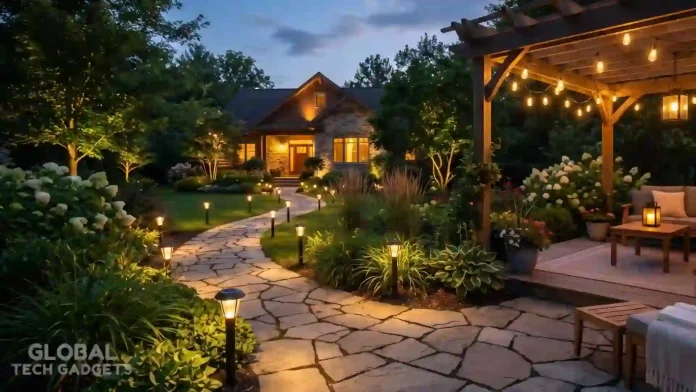
If you’re looking to light up pathways, secure your property, create ambiance on the patio, or highlight garden features, the right outdoor solar lights make it simple and efficient. These options have earned strong marks for brightness, runtime after real weather conditions, build quality, and ease of setup.
Why Outdoor Solar Lights Make Sense Right Now
Solar lights convert sunlight into power during the day and deliver it automatically at night. Modern models use efficient monocrystalline panels and improved batteries that often provide 8–12+ hours of runtime even after partly cloudy days.
They require no wiring, cut electricity costs, and work in most U.S. climates when placed correctly. Many now include motion sensors for security, color options for decoration, or warm white tones that feel natural. Users and testers consistently praise them for improving safety, curb appeal, and evening usability without ongoing maintenance hassles.
What to Look for in Outdoor Solar Lights
Focus on these factors for the best long-term performance:
- Brightness (lumens): Path and garden lights typically range 5–20 lumens for soft, even glow. Security spotlights and floods deliver higher effective output (often 100+ lumens equivalent with good optics). Higher lumens help in larger areas but can reduce runtime.
- Runtime: Aim for lights that stay on until dawn or at least 8–10 hours after a full charge. Motion-sensor models often switch to bright mode only when needed, extending battery life.
- Battery and charging: Lithium-ion or LiFePO4 batteries outperform older NiMH types in cold weather and longevity. Look for panels that tilt or are adjustable for maximum sun exposure (ideally 6–8 hours direct sunlight daily).
- Weather resistance: IP65 or higher rating is standard. Metal and glass construction generally outlasts basic plastic over multiple seasons.
- Features: Dusk-to-dawn sensors, motion detection (range and angle matter), color temperature (2700–3000K warm white feels most inviting), and multiple modes.
- Warranty and durability: 1–2+ years is common on better models. Real-world tests show metal stakes and quality seals resist rust, wind, and rain far better.
- Placement tips: Clear south-facing spots without tree or building shade maximize charging. Clean panels every few months—dirt can cut efficiency significantly.
The 10 Best Outdoor Solar Lights
1. Best Overall: AloftSun Motion Sensor Solar Landscape Spotlights
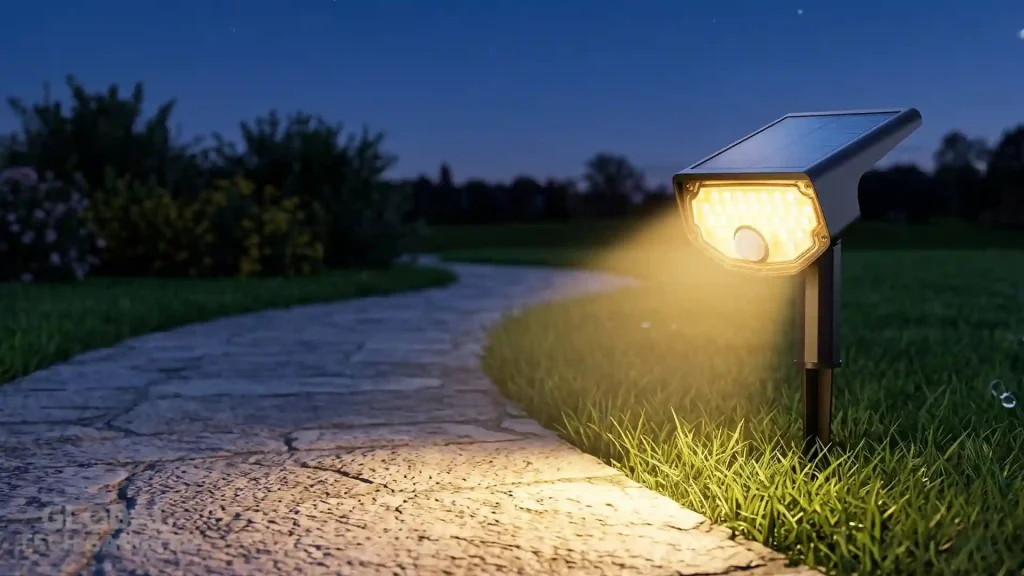
These stand out for versatility across pathways, gardens, and entry areas. Each unit features 30 LEDs, three modes (dim/bright on motion, always medium, or high on motion), motion detection up to 33 feet, IP68 waterproofing, and a tiltable head for precise aiming. Testers noted strong, readable brightness even in variable conditions and solid performance through storms and wildlife encounters over months of use. Runtime holds well with proper sun exposure.
Best for: Most homeowners wanting reliable, adjustable lighting without complexity.
Approx. price: $20–30 per unit or small set.
Pros: Highly durable, easy stake or wall mount, long lifespan claim (40,000 hours).
Cons: Basic aesthetic compared to decorative options.
Rating: Consistently high across reviews for real-world reliability.
2. Best Landscape Spotlight: Lerekam Solar Spot Lights
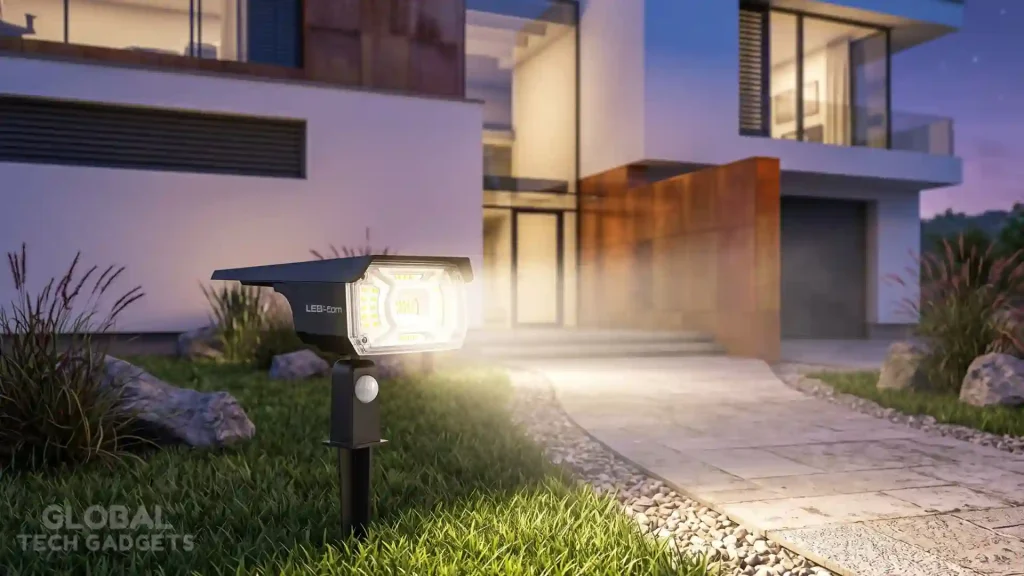
This 6-pack earned top marks in independent lab testing for light duration and overall performance (high scores around 91/100 in key categories). Each light uses 40 LEDs for wide, bright coverage ideal for trees, flags, or larger garden zones. Strong build and effective output make them a standout for focused illumination.
Best for: Highlighting specific landscape features or broader yard coverage.
Approx. price: Around $100 for the 6-pack.
Pros: Excellent brightness spread, reliable runtime, good value in multi-packs.
Cons: Primarily spot-focused rather than broad ambient.
Rating: Top-tier in structured evaluations.
3. Best Decorative Path Lights: Beau Jardin Color-Changing Solar Pathway Lights
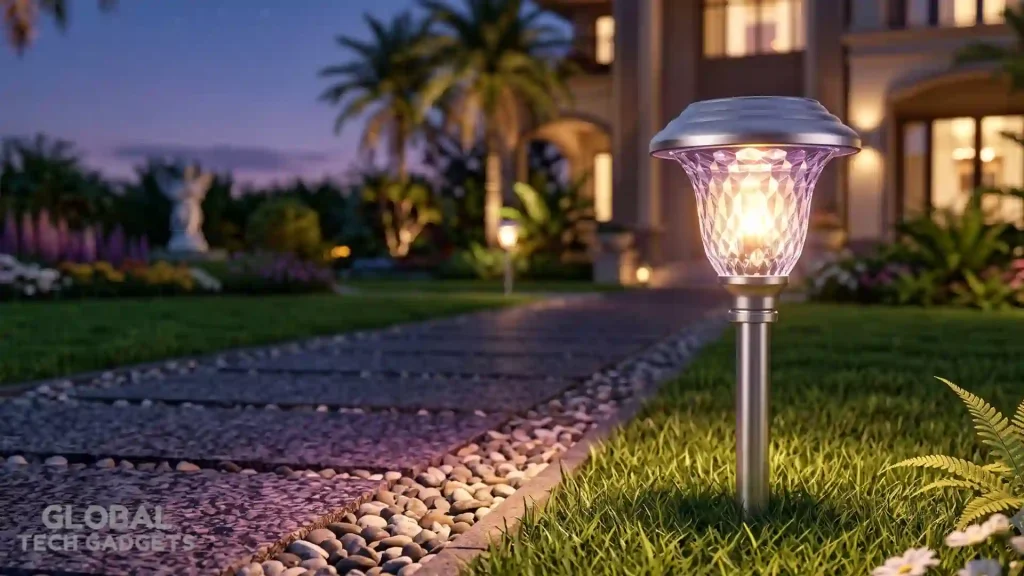
These metal-and-glass 8-packs deliver a premium feel with textured shades that create attractive patterns and multiple color options (including warm white). Real-home testing over weeks in rain and wind confirmed dusk-to-dawn operation and strong durability. The ~10-lumen output provides pleasant, non-glaring light.
Best for: Adding style and subtle color to walkways or garden beds.
Approx. price: Competitive for quality materials.
Pros: Attractive light effects, true all-night runtime, rust-resistant construction.
Cons: Spikes can be tricky in very hard soil.
Rating: Excellent for both function and appearance.
4. Best Traditional Path Lights: Better Homes & Gardens Elijah Path Lights
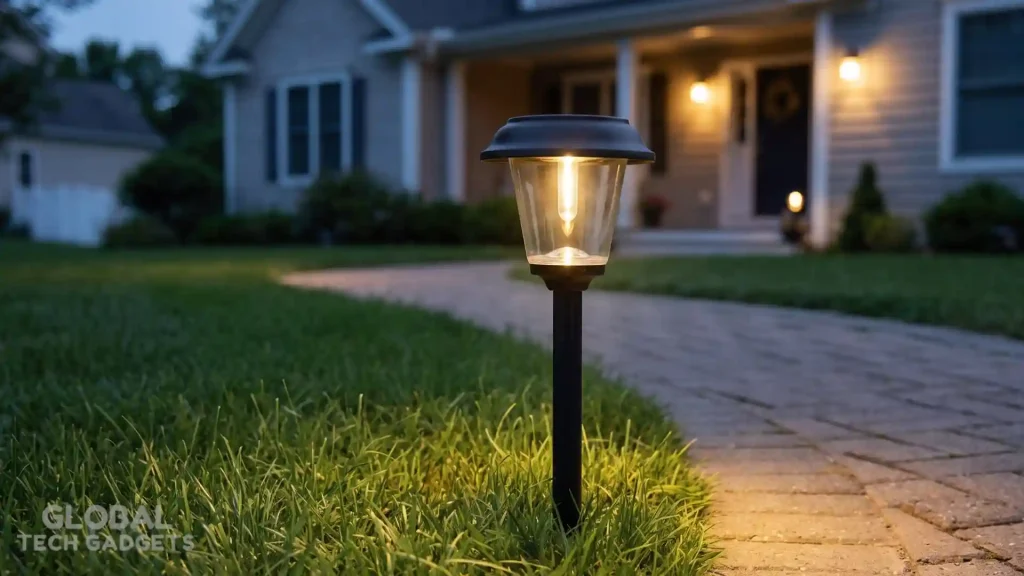
This Walmart 4-pack won head-to-head testing for clean, even glow without distracting starburst patterns on the ground. Clear glass lenses, ~20 lumens output, metal housing, and a full 2-year warranty set it apart. Reviewers highlighted the elevated bulb design and neutral tone that looks polished.
Best for: Classic, reliable pathway lighting with minimal maintenance.
Approx. price: Around $57 for four (~$14 each).
Pros: Superior even illumination, long warranty, attractive finish.
Cons: Fewer lights per pack than some budget options.
Rating: Clear winner in style and performance comparisons.
5. Best Budget Path Lights: Maggift Solar Pathway Lights
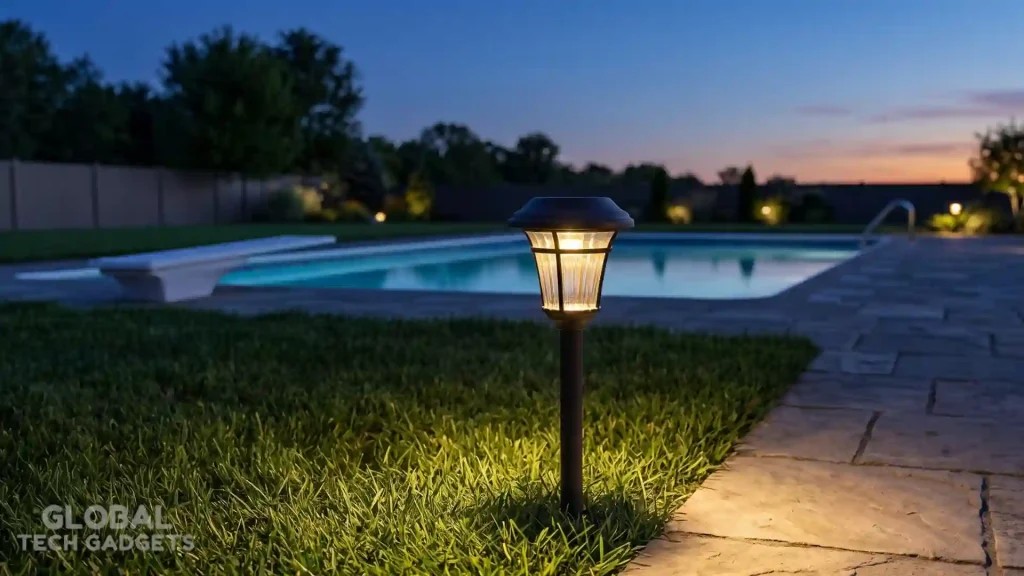
These affordable 6-packs use durable plastic that mimics glass and deliver consistent soft white light with solid all-night runtime in testing. They held up well to weather and hard ground installation over multi-week trials.
Best for: Cost-conscious buyers wanting decent coverage without sacrificing too much quality.
Approx. price: Low per unit in multi-packs.
Pros: Great value, surprisingly durable, easy setup.
Cons: Lower brightness than premium models.
Rating: Strong performer for the price.
6. Best Security Flood Lights: TECKNET Solar Motion Sensor Lights
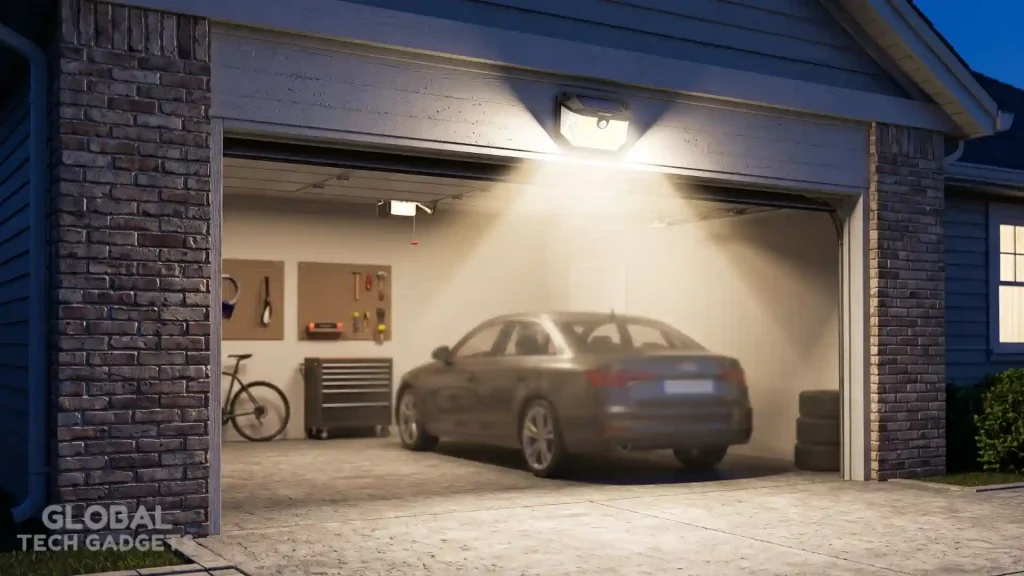
Models with 200+ LEDs (such as 231 or 416 LED versions) excel for driveway, backyard, or perimeter security. They offer three intelligent modes, sensitive PIR motion detection (typically 10–20 feet, wide angle), high-efficiency panels (25–30% conversion), and 10–12 hour runtime potential. Tests confirm reliable bright activation on movement.
Best for: Deterring intruders or lighting large dark areas on demand.
Approx. price: Varies by pack size; often competitive.
Pros: Bright output when needed, energy-smart modes, weatherproof.
Cons: Performance best with consistent full sun charging.
Rating: Popular and well-reviewed for security use.
7. Best Solar String Lights: Brightech Ambiance Pro Solar String Lights
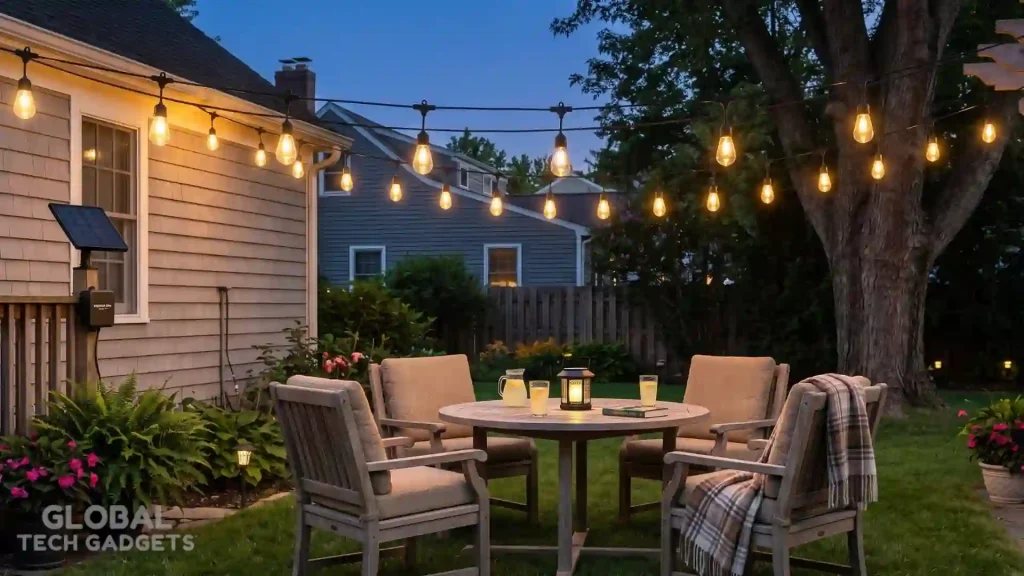
These deliver warm ambient glow for patios, pergolas, or trees. Adjustable solar panels, shatterproof bulbs, and reliable dusk-to-dawn operation make them a favorite in extended testing, including heavy rain. Various lengths available.
Best for: Creating cozy outdoor living spaces.
Approx. price: Around $20–40 depending on length.
Pros: Easy no-tool install, attractive and functional, good customer satisfaction.
Cons: Ambient rather than task lighting.
Rating: Top choice for string-style ambiance.
8. Best Fence and Deck Lights: Lianglome Solar Fence Lights
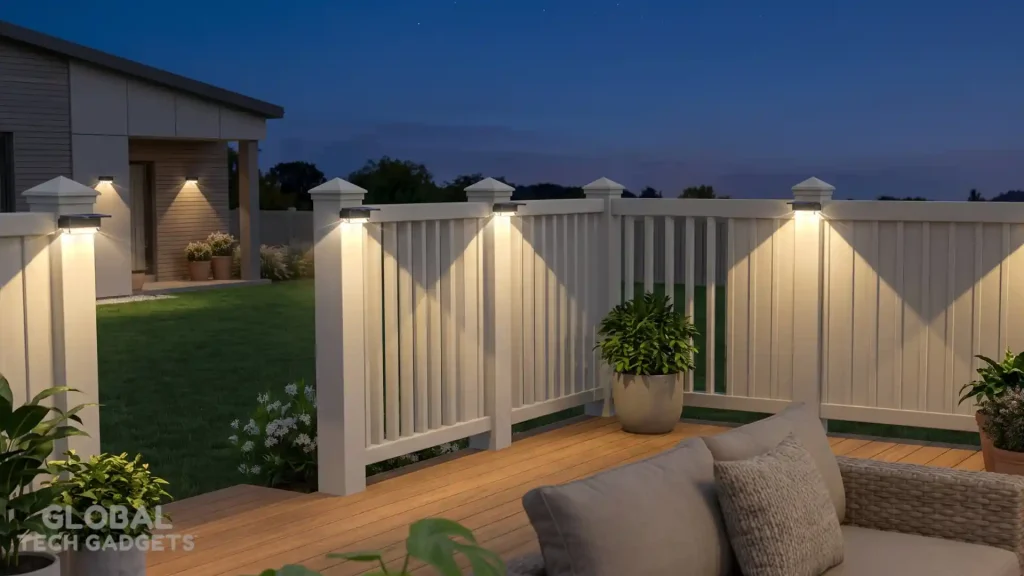
These mount easily via adhesive or screws and offer multiple color temperature modes with solid ~50-lumen output. Six-month real-world tests showed strong performance in rain and storms while blending discreetly during daylight.
Best for: Railings, fences, or deck perimeters where traditional stakes won’t work.
Approx. price: Around $40–45 for sets.
Pros: Versatile mounting, bright and customizable, durable.
Cons: Best secured with screws for maximum hold.
Rating: Highly practical for non-ground installations.
9. Best Post or Porch Lantern: Kemeco Solar Post Light
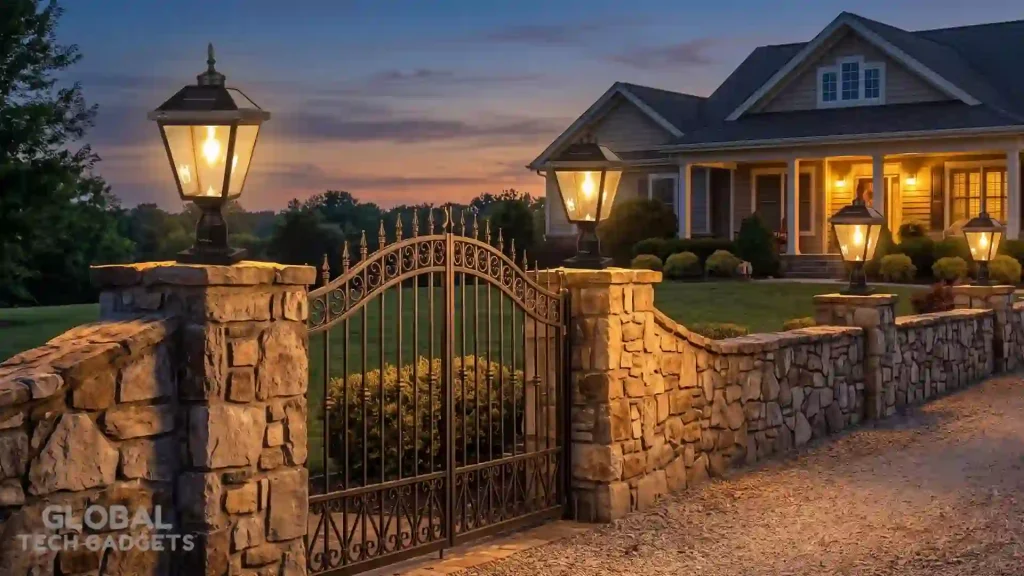
This stylish lantern-style fixture mounts on existing posts or bases and produces 130–145 lumens of warm 3000K light. Simple two-piece assembly and weatherproof design earned praise for adding elegant illumination to entryways or patios.
Best for: Enhancing porches, posts, or traditional landscapes.
Approx. price: Around $100.
Pros: Attractive vintage look, bright and even output, easy setup.
Cons: Post or base not included.
Rating: Excellent for decorative structural lighting.
10. Best High-Brightness Versatile Option: Omibee 4-Head Solar Motion Sensor Lights
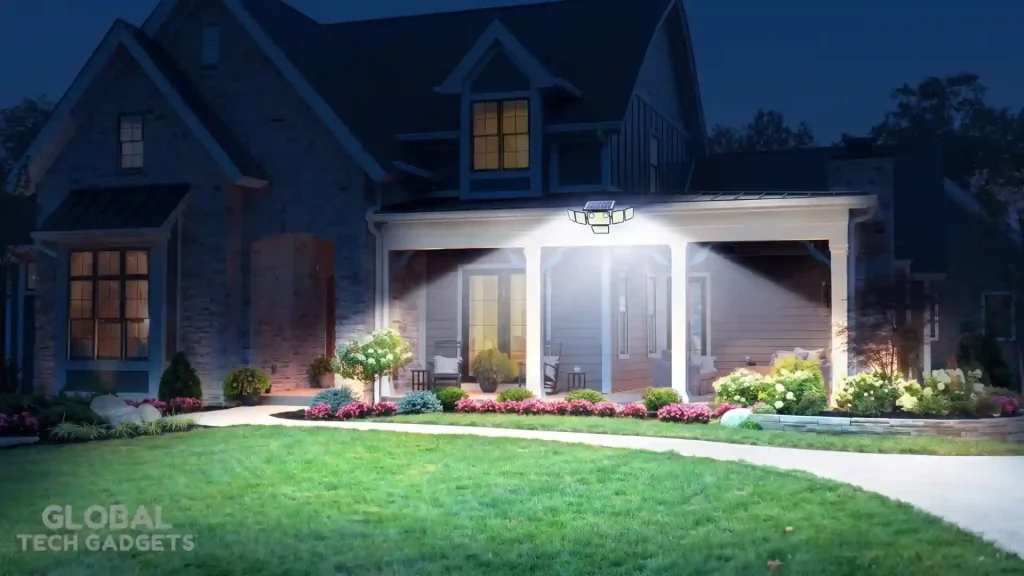
With high lumen output, remote control, adjustable heads, and motion sensing, these provide powerful coverage for larger or security-focused areas. Features like IP65 rating and flexible positioning make them adaptable.
Best for: Users needing bright, controllable light in bigger spaces.
Approx. price: Often $25–40 on sale.
Pros: High brightness, multiple heads for wide coverage, convenient controls.
Cons: Runtime can vary with heavy use modes.
Rating: Strong for performance-focused buyers.
Installation and Maintenance Tips
Stake lights into soft soil or use wall mounts where needed. Position panels for maximum southern exposure and clear any debris regularly. Most install in minutes with no tools beyond a mallet for stakes. Replace batteries every 1–3 years for peak performance on models that allow it. In winter, shorter days mean reduced runtime—supplement with motion modes if possible.
Do outdoor solar lights charge on cloudy or rainy days?
Yes, modern solar lights continue to charge during cloudy and rainy weather by capturing diffuse sunlight. However, because cloud cover significantly reduces solar intensity, the battery charges much more slowly and stores less overall energy. To maximize low-light charging efficiency, install your fixtures in open areas away from shadows cast by overhanging trees or buildings.
How long do outdoor solar lights stay illuminated at night?
When fully charged after a bright summer day, high-quality solar lights typically illuminate your yard for 8 to 12 hours overnight. During winter months when days are shorter and sunlight is weaker, total runtime often drops to roughly 2 to 4 hours. Choosing fixtures equipped with motion sensors can dramatically extend nightly battery life by brightening to full capacity only when movement is detected.
Are they bright enough for security?
Motion-sensor floods and spotlights deliver strong, on-demand brightness. Path lights focus more on ambiance and guidance.
Can I use them in winter or northern climates?
They function but produce less light in short winter days. Choose models with good cold-weather batteries and clean panels of snow.
How do I choose between path lights and spotlights?
Path lights spread soft light evenly for walkways. Spotlights and floods direct brighter beams for features or security.
How many lumens do I need for outdoor solar lighting?
The ideal brightness level depends entirely on the specific application and location of the fixture in your yard. For garden paths, accent lighting, and soft ambiance, choose fixtures between 5 and 20 lumens to provide clear visibility without harsh glare. For driveway safety and security lighting in dark corners, opt for high-output solar floodlights that deliver 700 lumens or more.
What waterproof rating should good outdoor solar lights have?
For standard weather resistance against basic rain and garden sprinklers, look for fixtures with a minimum Ingress Protection rating of IP44. If you live in a region prone to heavy storms, freezing frost, or monsoons, invest in IP65-rated models for complete dust and water protection. Checking the IP rating before purchasing ensures the internal electronics and battery can safely remain outside year-round without corroding.
What is the average lifespan of solar outdoor lights and their batteries?
The external housing and LED bulbs of quality solar fixtures are highly durable and typically last for multiple years without issue. The internal rechargeable batteries, however, naturally degrade over time and generally require replacement every 1.5 to 3 years. To ensure long-term value, buy models with accessible battery compartments so you can easily swap in fresh standard rechargeable cells when performance dips.
How do I clean and maintain my outdoor solar fixtures?
To maintain peak charging performance, wipe the solar panels every few weeks using warm water and a soft, non-abrasive cloth. Removing accumulated dust, pollen, and mud prevents grime from blocking sunlight and ensures the cells charge as fast as possible. You should also check the battery compartment seasonally for signs of corrosion and trim back any tree branches that have grown to block direct sunlight.
Final Thoughts
The best outdoor solar lights combine better panels, smarter sensors, and durable materials to deliver dependable performance year after year. Start with your main need—path guidance, security, or ambiance—then match it to the specs and features above. Proper placement and occasional cleaning will keep them shining brightly for seasons to come.


