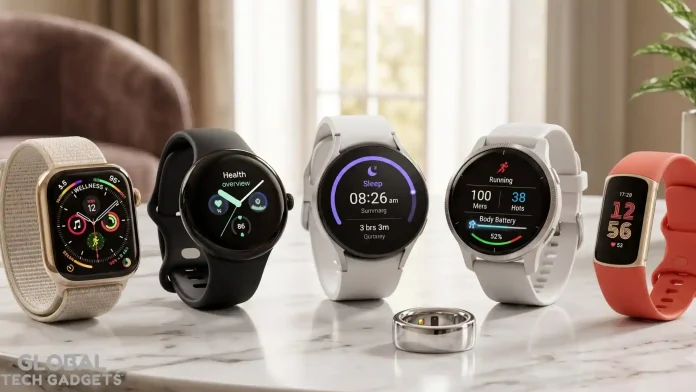
You check your wrist or finger in the morning and instantly see how well you recovered overnight, whether your heart rhythm stayed steady, and how ready your body feels for the day ahead. That level of insight used to require lab visits or guesswork. Today’s top wearables deliver continuous, actionable data on heart health, sleep quality, recovery, stress, and even early signs of potential issues like hypertension.
The category has matured fast. Devices no longer just count steps. They combine clinical-grade sensors, smarter algorithms, and longer battery life to support real health goals — from catching irregular rhythms to optimizing training load or simply understanding why you feel drained. Whether you pair with an iPhone or Android, want a full smartwatch, slim band, or discreet ring, strong options exist for nearly every lifestyle and budget.
Here’s a clear, up-to-date guide to the best wearables for health monitoring right now.
Essential Health Metrics These Devices Track
Modern wearables focus on the signals that matter most for daily decisions and long-term wellness:
- Continuous heart rate and HRV — Tracks resting rate, variability (a key recovery marker), and alerts for high/low readings or irregular rhythms.
- Sleep tracking — Stages (light, deep, REM), duration, disturbances, breathing patterns, and new summary scores. Some detect signs of sleep apnea.
- Blood oxygen (SpO2) — Overnight and spot checks for respiratory and overall wellness insights.
- ECG and rhythm monitoring — On-wrist electrocardiogram for atrial fibrillation detection and other irregularities (FDA-cleared on leading models).
- Skin temperature and trends — Helps with illness detection, cycle tracking, and recovery.
- Stress and recovery scores — Combines HRV, sleep, activity, and other data into easy-to-understand daily readiness or energy metrics (e.g., Body Battery or Readiness Score).
- Newer alerts — Hypertension notifications that flag potential chronic high blood pressure patterns (not a full blood pressure measurement).
- Body composition and additional insights — On some models: muscle/fat estimates, antioxidant levels, or training load balance.
Accuracy varies by sensor quality and consistent wear. Top models have performed well in independent tests against chest straps and medical devices, but they complement — never replace — professional care.
Best Smartwatches for Comprehensive Health Monitoring
Best Overall: Apple Watch Series 11
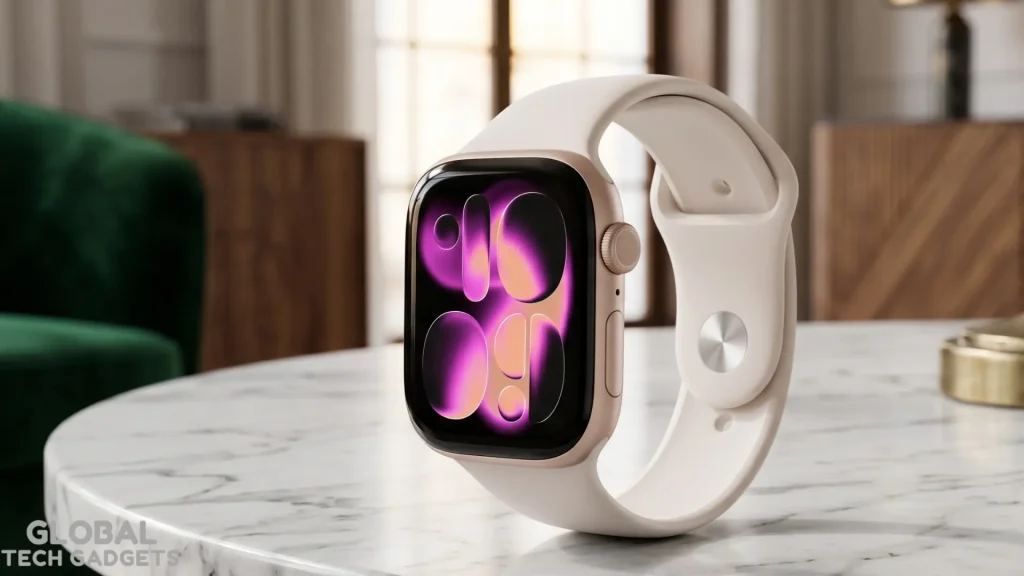
This stands out as the most balanced choice for most people focused on health. It delivers accurate heart rate tracking (top in recent head-to-head tests), ECG, blood oxygen, skin temperature, and the new hypertension notifications feature cleared by the FDA. Sleep tracking includes a dedicated Sleep Score plus overnight vitals and breathing insights.
Workout Buddy uses Apple Intelligence for personalized audio motivation during activities. Battery life reaches up to 24 hours (often more with optimized use) with fast charging that adds meaningful power quickly. The design is thinner and more comfortable for 24/7 wear, with a brighter, more durable display.
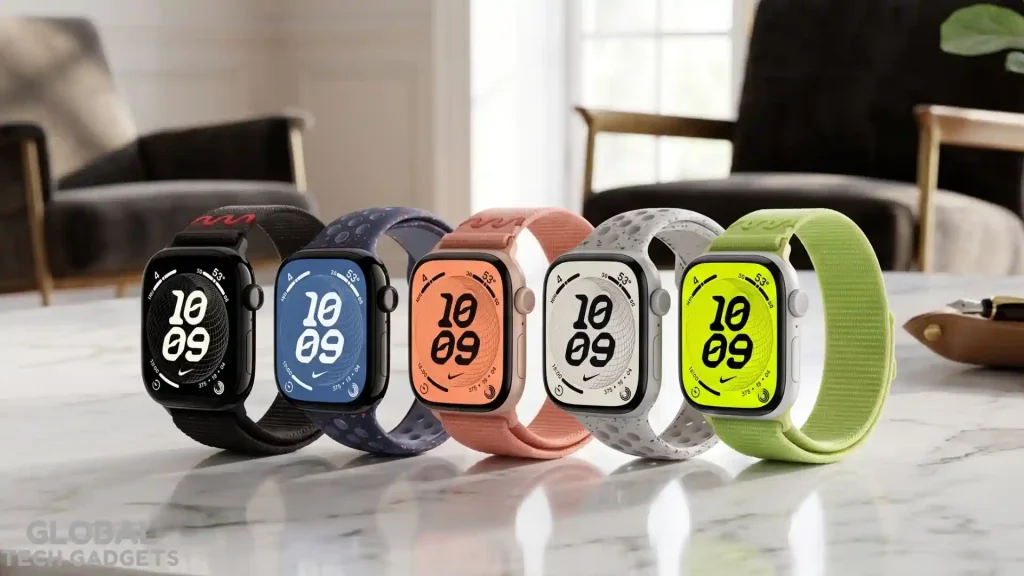
It shines brightest with iPhone users thanks to seamless Apple Health integration. Cellular models keep you connected without your phone. Price starts around $329–$399, depending on size and configuration.
If you want the full smartwatch experience plus the strongest set of health alerts and ecosystem support, this is the one most people should consider first.
Best Premium/Rugged Pick: Apple Watch Ultra 3
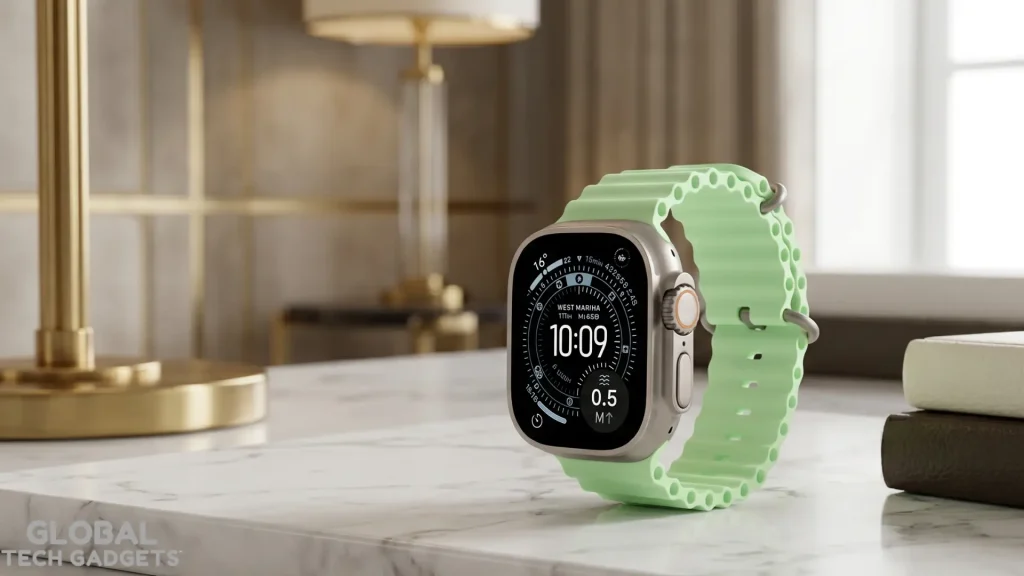
Choose this if you need serious durability, longer battery (often two days), satellite connectivity for off-grid safety, and the same excellent health suite as the Series 11 — including hypertension notifications, ECG, and advanced sleep tools. It handles intense workouts, adventures, and sleep tracking comfortably despite its size. Ideal for athletes or anyone who wants maximum capability in one device. Expect pricing near $799.
Best for Android Users: Google Pixel Watch 4
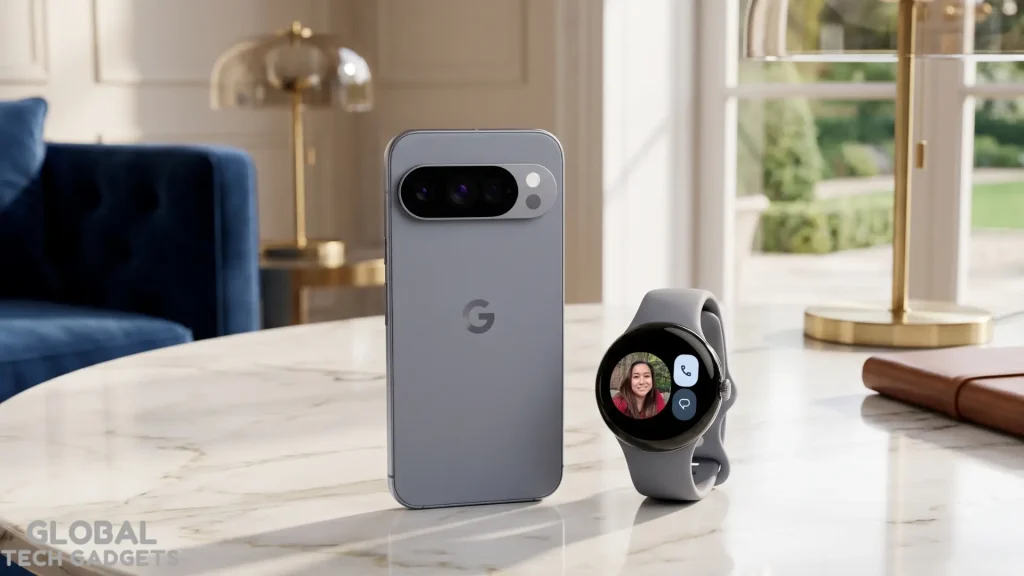
This offers a clean design, excellent Fitbit-powered health tracking, and strong integration with Android phones. You get detailed sleep metrics, heart rate, SpO2, stress insights, and upcoming AI health coaching features. Battery life reaches 30–40 hours with fast charging. It includes helpful safety tools like emergency satellite connectivity in some configurations.
It feels modern and approachable while delivering reliable daily health data through the Fitbit app. A top choice if you want smooth Google ecosystem performance without complexity.
Strong Android Alternative: Samsung Galaxy Watch 8
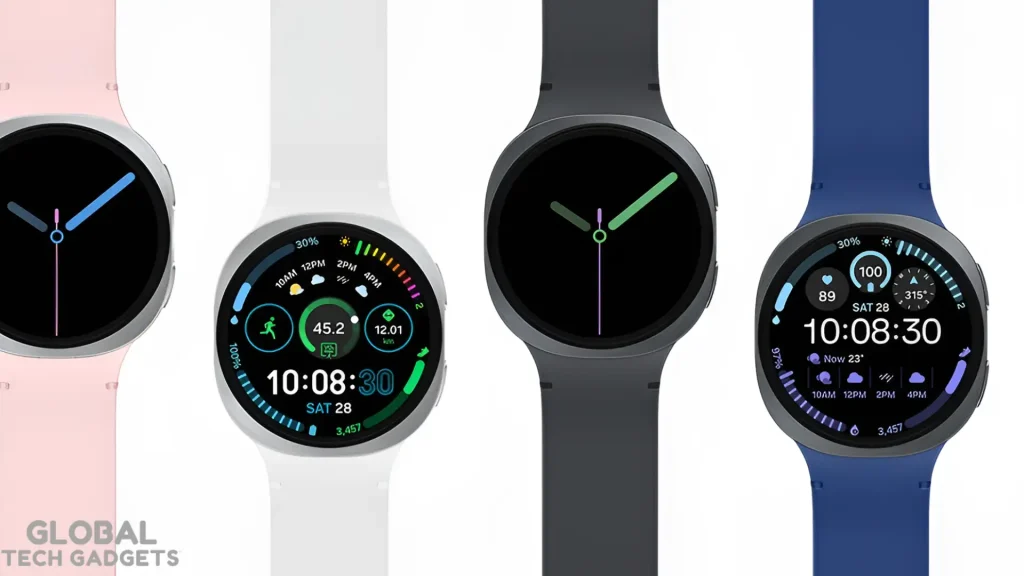
Samsung’s latest brings robust sensors including heart rate, ECG, SpO2, body composition analysis, and AI-driven coaching for sleep and fitness. It stands out for users who want deeper wellness metrics and a premium rotating-bezel experience on compatible Galaxy phones. Battery life typically lasts a full day with some models stretching further. Great display brightness and smart features round it out. Consider it if you’re already in the Samsung ecosystem or prioritize body composition and coaching tools.
Best for Serious Fitness & Recovery Insights: Garmin Venu 4
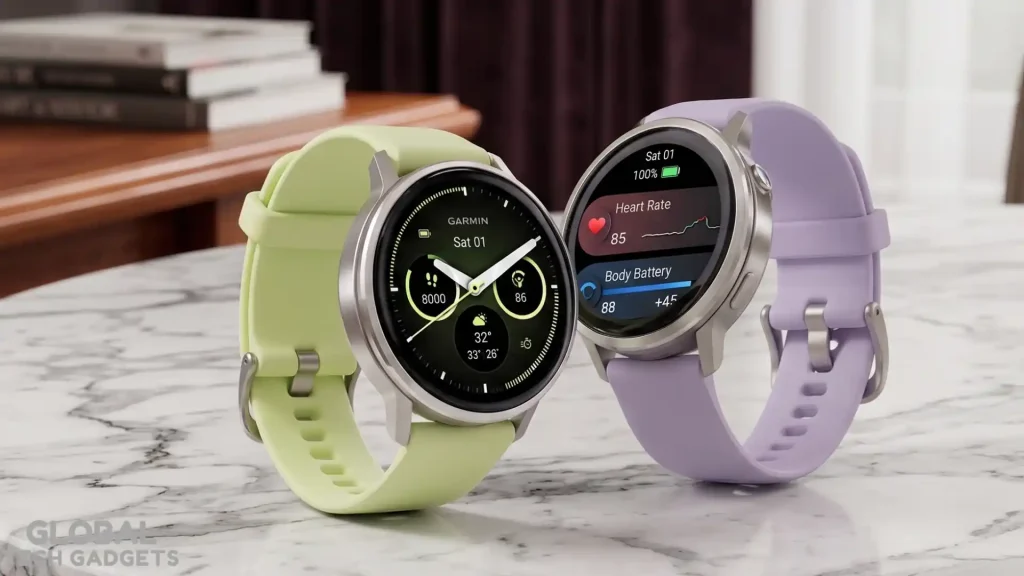
Garmin excels when you want depth over flash. The Venu 4 combines a bright AMOLED display with class-leading accuracy in heart rate (Gen 5 Elevate sensor), ECG, SpO2, skin temperature, and advanced sleep tracking. Standout features include Body Battery (real-time energy levels), Training Readiness and Load metrics, HRV status, and a helpful Morning Brief that translates data into actionable advice.
Battery life often reaches 8–12 days in smartwatch mode — perfect for consistent 24/7 monitoring without frequent charging. It includes a built-in flashlight and solid everyday smart features. This watch suits runners, lifters, or anyone who treats recovery and training optimization seriously while still wanting a stylish daily wearer. Pricing typically falls in the $450–$550 range.
Top Fitness Trackers and Bands for Everyday Monitoring
If you prefer something lighter and more affordable than a full smartwatch:
Fitbit Charge 6 (or similar recent models like Inspire 3):
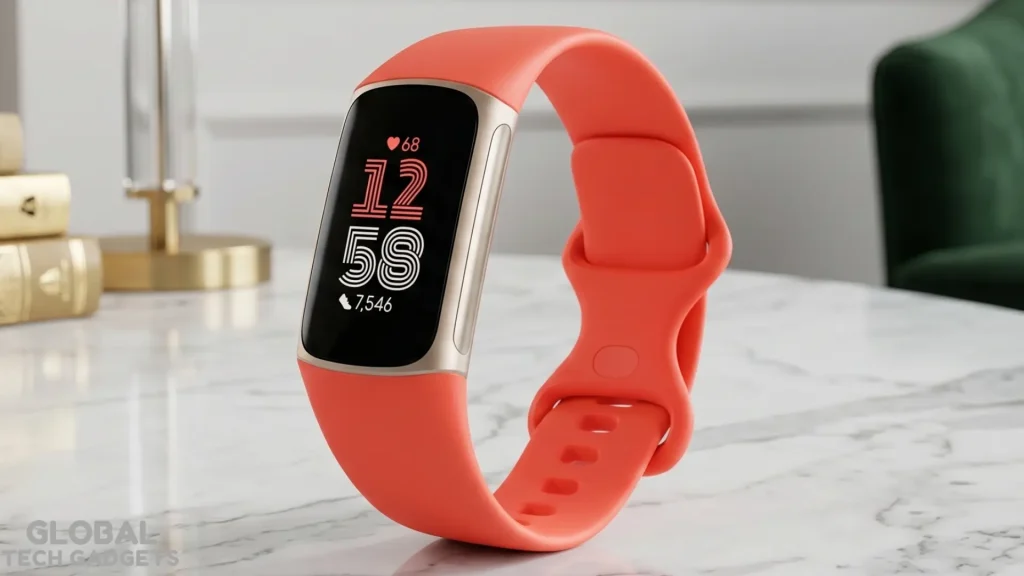
Excellent accuracy for steps, heart rate, and sleep. Simple, comfortable band design with long battery life (up to a week). Strong app experience and automatic workout detection. Great value for consistent daily tracking without bulk. Often the most accurate budget-friendly option in independent tests. Check out the Best Fitbit Tracker List.
Other strong bands: Huawei Watch Fit 4 or Amazfit models deliver solid heart rate, sleep, and SpO2 tracking with multi-day battery and lower prices. They work well as secondary devices or for users who want minimalism.
These shine for people who mainly want reliable basics plus sleep and heart data without notifications or apps crowding the experience.
Smart Rings: The Discreet Alternative for Passive Tracking
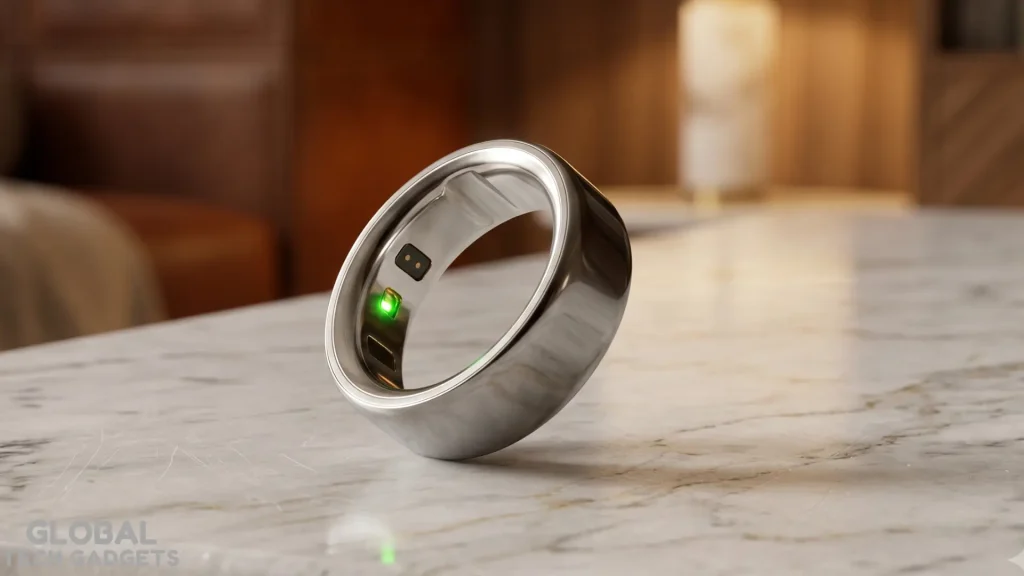
Oura Ring 4 stands out here. Worn on your finger, it delivers outstanding passive monitoring of sleep stages and quality, 24/7 heart rate and HRV, SpO2, skin temperature trends, and respiration. The app distills everything into clear daily scores for Sleep, Readiness, and Activity, plus resilience and heart health insights. It excels at spotting patterns and early signals (including symptom radar-style alerts). The battery lasts several days.
It requires a membership for full features, but it feels jewelry-like and never interferes with workouts or sleep. Perfect if you dislike wrist devices or want the most natural long-term tracking experience. Pricing starts at several hundred dollars plus a subscription.
Quick Comparison of Top Health Wearables
| Device | Best For | Battery Life | Standout Health Features | Approx. Price | Best With |
| Apple Watch Series 11 | Overall balance | ~24+ hours | Hypertension alerts, ECG, accurate HR, Sleep Score | $329+ | iPhone |
| Apple Watch Ultra 3 | Rugged/adventure | ~2 days | Same as Series 11 + satellite | $799 | iPhone |
| Google Pixel Watch 4 | Android users | 30–40 hours | Fitbit metrics, sleep & stress | ~$350 | Android |
| Samsung Galaxy Watch 8 | Android + body insights | ~1–1.5 days | Body comp, AI coaching, ECG | Varies | Samsung/Android |
| Garmin Venu 4 | Recovery & training depth | 8–12 days | Body Battery, Training Readiness, Advanced sleep | $450–550 | Any |
| Fitbit Charge 6 | Budget daily tracking | Up to 7 days | Accurate steps/HR/sleep, simple app | $100–150 | Any |
| Oura Ring 4 | Discreet passive tracking | Several days | Sleep/Readiness scores, temp, HRV | $300–500 + sub | Any |
How to Choose the Right Wearable for You
Start with your phone: Apple Watch for iPhone users, Pixel or Samsung (or Garmin) for Android.
Prioritize battery life if you hate charging — Garmin leads here, followed by some bands and rings.
Decide on form factor: Full smartwatch for notifications and apps, band for lightness, or ring for discretion and superior sleep data.
Match features to goals: Heart rhythm and hypertension alerts point toward Apple. Deep recovery and training metrics favor Garmin. Simple daily insights work well with Fitbit or Oura.
Budget realistically: Entry-level solid options exist under $150; premium health-focused devices run $300–$800. Factor in potential subscriptions for advanced insights.
Comfort for 24/7 wear matters most — try bands or visit stores if possible. Look for water resistance and reliable app ecosystems (Apple Health or Google Fit) for long-term data trends.
What’s New and Next in Wearable Health Tech
2026 brings more predictive and personalized features. AI coaching (like Apple’s Workout Buddy or Fitbit’s upcoming tools) turns raw numbers into motivating, tailored guidance. Hypertension notifications and improved rhythm detection expand preventive capabilities. Longer battery life and better sensors enable more consistent data collection.
Expect continued growth in recovery-focused metrics, women’s health tools, and integration that makes insights easier to act on. The trend is shifting from reactive fitness tracking to proactive, holistic health support.
Final Thoughts
The right wearable can genuinely change how you understand and care for your body. Whether you choose the versatile Apple Watch Series 11, the recovery powerhouse Garmin Venu 4, a simple and accurate Fitbit band, or the discreet Oura Ring, consistency beats perfection. Wear it daily, review the trends, and use the insights to adjust sleep, training, or stress management.
Health monitoring technology has reached a point where it’s genuinely helpful rather than gimmicky. Pick the device that fits your life and ecosystem, and you’ll likely wonder how you managed without it.
What is the most accurate smartwatch for health monitoring?
Accuracy depends on the specific metric, but Apple and Garmin consistently lead the current market for overall biometric precision. The Apple Watch Series 11 excels in heart rate and ECG reliability, while the Garmin Venu 4 is top-tier for continuous athletic tracking. For Android users, the Google Pixel Watch 4 leverages advanced Fitbit sensors to provide highly accurate daily health and readiness metrics.
Is a fitness tracker or a smartwatch better for health monitoring?
Fitness trackers are generally slimmer, offer multi-day battery life, and focus purely on core health metrics without app distractions. Smartwatches provide a more comprehensive daily experience by combining health tracking with cellular connectivity, third-party apps, and communication tools. Choose a tracker like the Fitbit Charge 6 for focused health data, or a smartwatch if you need everyday productivity features alongside fitness.
Can smartwatches detect heart problems or high blood pressure?
Many modern premium wearables feature FDA-cleared ECG sensors that can successfully detect irregular heart rhythms like atrial fibrillation. However, they cannot diagnose heart attacks, and reliable blood pressure monitoring still largely requires specialized medical cuffs rather than optical wrist sensors. You should always use these wearable devices as early warning systems rather than replacements for professional medical evaluations and diagnostics.
Which wearable device is best for detailed sleep monitoring?
The Oura Ring 4 is widely considered the best dedicated sleep tracker because its finger placement provides highly accurate temperature and pulse readings. If you prefer a wrist wearable, the Google Pixel Watch 4 and Garmin Venu series offer excellent sleep stage analysis and overnight recovery scores. Battery life is a critical factor for sleep tracking, so prioritize devices that can comfortably last several days without needing a nightly charge.
Do health monitoring smartwatches work without a smartphone?
Most health trackers and smartwatches require a paired smartphone for initial setup, firmware updates, and reviewing detailed historical health data. Cellular-enabled smartwatches do allow you to track outdoor workouts, stream music, and make emergency calls while leaving your phone behind. Despite this standalone daily capability, you will still need the companion app on your phone to unlock comprehensive health trends and long-term insights.
Are fitness trackers accurate for counting daily calories burned?
Calorie burn estimates on fitness trackers rely on proprietary algorithms combining your active heart rate, age, weight, and specific activity type. While they are excellent tools for measuring your relative activity levels day over day, the exact caloric numbers often have a measurable margin of error. You will get the most value by focusing on the overall physical activity trends and consistency rather than the precise number of calories displayed.